
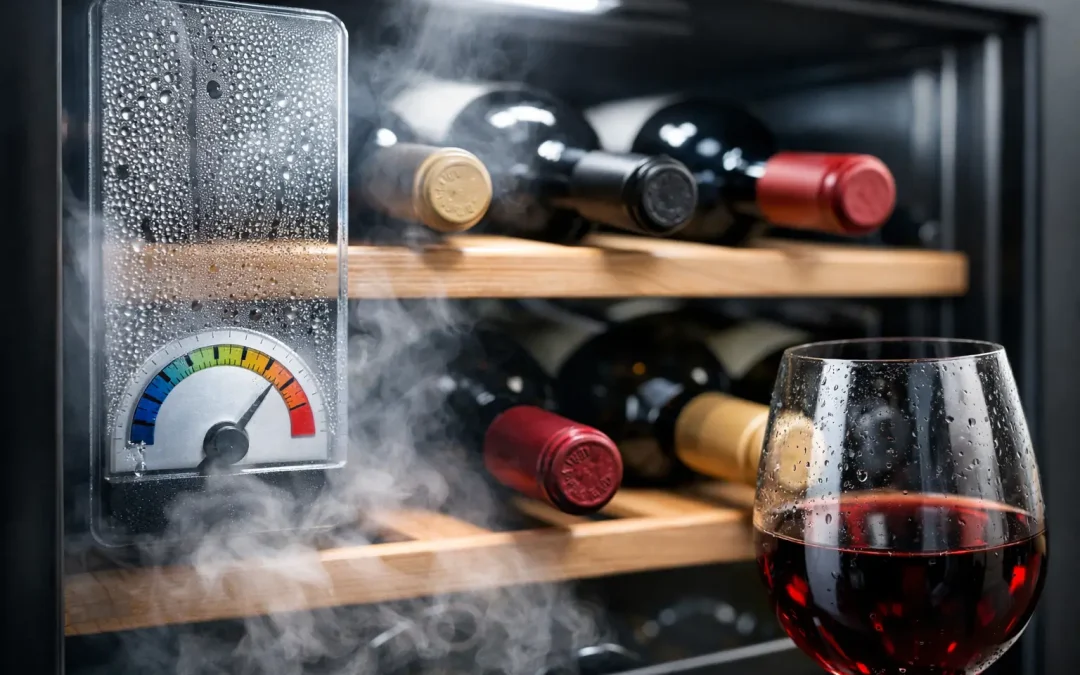
A premium wine collection can be affected by conditions you cannot see at a glance. Wine refrigerator humidity control helps keep natural corks from drying out, protects labels from excessive moisture, and supports the stable environment wines need during long-term storage. Temperature gets most of the attention, but humidity deserves the same careful consideration when bottles are meant to mature rather than simply chill.
For most home wine storage, the goal is not a perfectly fixed humidity number. It is a stable, moderate range that supports the closure without creating condensation, mold, or label damage. That distinction matters when evaluating a Sub-Zero wine storage unit or another high-end built-in system.
Why Humidity Matters in Wine Storage
Natural cork remains the main reason humidity is part of proper wine storage. When the air around a cork is consistently too dry, the exposed end may shrink or become less resilient over time. That can increase the chance of air entering the bottle and, eventually, premature oxidation. Keeping bottles on their sides also helps by maintaining wine contact with the inside of the cork.
Too much humidity presents a different problem. The wine inside a properly sealed bottle is generally safe, but persistent moisture can loosen labels, encourage mold on corks or shelving, and make a valuable collection less presentable. For collectors, provenance and label condition can matter nearly as much as the bottle’s contents.
Humidity also interacts with temperature and air movement. A cabinet that runs cold, cycles frequently, or is opened repeatedly may show noticeable short-term changes. Those changes are not automatically a defect. Long-lasting extremes, condensation, or unexplained changes in cabinet performance deserve closer attention.
What Is the Right Humidity Range?
A relative humidity range of roughly 50% to 70% is widely considered suitable for wine storage, with many collectors aiming for about 55% to 65%. The more useful target is consistency. A wine refrigerator that stays near 60% with modest variation is usually preferable to one that swings sharply between very dry and very damp conditions.
The appropriate range depends somewhat on your collection. Bottles sealed with natural cork benefit most from moderate humidity. Wines with screw caps, glass stoppers, or synthetic closures are less dependent on cabinet humidity, although they still benefit from stable temperature and protection from light and vibration.
Do not confuse a room hygrometer reading with a precise reading inside the wine compartment. Consumer hygrometers can be inaccurate, especially at low temperatures. Place a quality digital hygrometer away from direct airflow and allow it at least 24 hours to settle before drawing conclusions. If the reading seems concerning, verify it with a second instrument before adjusting the appliance or requesting service.
How Premium Wine Refrigerators Manage Moisture
Most residential wine refrigerators do not operate like commercial humidification chambers. They generally manage humidity indirectly through cabinet insulation, door gaskets, refrigeration cycles, internal air circulation, and the temperature difference between the cabinet and the surrounding room. Some premium models are designed to maintain favorable storage conditions without a user-filled water reservoir or a manual humidity setting.
That design is intentional. Adding moisture without controlling temperature, airflow, and sanitation can create condensation and microbial growth. A well-designed wine storage system seeks balance rather than maximum humidity.
Built-in installation also influences performance. A unit installed without required ventilation clearances may run longer or operate hotter than intended. A door that does not seal fully can pull in warm, humid household air. Both conditions can affect temperature stability and moisture behavior, while also placing extra demand on the sealed system and compressor.
Why Seasonal Changes Can Show Up in the Cabinet
New Jersey and New York homes often experience dry indoor air during the heating season and higher ambient humidity during summer. A wine refrigerator installed near a sunny wall, kitchen range, exterior door, or busy entertaining area may be exposed to larger environmental changes than expected.
A modest seasonal shift is normal. A cabinet that develops persistent water droplets, wet shelving, mold, cracked corks, or repeated temperature alarms is not something to dismiss as seasonal. The appliance may need a professional evaluation of its door seal, condenser condition, airflow, drainage, controls, or installation environment.
Signs Your Wine Refrigerator Humidity Control Needs Attention
Start with what you can observe rather than trying to correct a single reading. Dry, brittle-looking cork ends and loose capsules may suggest air that is too dry, particularly if the unit is located in a heavily heated area. Peeling labels, visible moisture on bottles, mildew odor, or condensation along interior surfaces can point to excessive moisture or warm air entering the cabinet.
Door gasket condition is one of the first practical checks. Look for debris, tears, hardened sections, or areas where the gasket is not making consistent contact with the frame. Avoid using sharp tools or aggressive cleaners. A damaged gasket on a built-in wine unit can affect both energy use and storage conditions.
Also consider usage. Frequent door openings during gatherings, loading a large number of room-temperature bottles, or leaving the door slightly ajar can temporarily increase humidity and temperature. Give the cabinet time to recover before assuming there is a mechanical failure.
If a digital hygrometer shows an extreme reading but the bottles, cabinet, and temperature performance appear normal, verify the meter first. If symptoms persist or occur alongside poor cooling, fan noise, frost, alarms, or a warm cabinet, professional diagnostics are the appropriate next step.
Avoid Quick Fixes That Create Bigger Problems
A bowl of water, wet sponge, or other homemade moisture source may seem like an easy answer to dry air. In a sealed wine refrigerator, however, it can create localized condensation, spill risk, odors, and mold without solving the underlying cause. It may also interfere with shelves, bottles, or airflow.
Likewise, avoid placing a household dehumidifier inside or immediately beside the cabinet. It can make the surrounding conditions more volatile, generate heat, and work against the appliance’s intended operation. Do not block interior vents with bottles, packaging, or decorative liners in an attempt to change humidity. Airflow is necessary for stable temperature distribution.
Cleaning should be measured as well. Wipe up spills promptly, clean interior surfaces according to the manufacturer’s guidance, and inspect shelf areas where moisture can collect. Strong fragrances, bleach-heavy products, and unapproved chemicals can leave odors in a confined storage space or damage finishes.
When Service Is the Sensible Choice
High-end wine storage is a specialized refrigeration system, particularly when integrated into cabinetry. A recurring humidity concern may be caused by a simple door-seal issue, but it can also involve fan operation, control calibration, condenser airflow, drainage, refrigeration performance, or an installation condition that is not visible from the front of the appliance.
Factory-qualified service is especially valuable for built-in Sub-Zero wine storage because the diagnostic process should account for the model’s ventilation requirements, control logic, cabinetry integration, and original performance specifications. Replacing a part or adjusting settings without identifying the cause can leave the collection exposed and create unnecessary expense.
For a wine refrigerator that is operating normally, preventive maintenance remains the best protection. Keep ventilation areas clear, maintain clean door gaskets, avoid prolonged door openings, and monitor the cabinet periodically rather than reacting to every small daily fluctuation. Fridge Fix provides specialized service for sophisticated built-in refrigeration systems, helping homeowners protect the appliances and collections they were designed to preserve.
A wine refrigerator should fade into the background while your bottles age under calm, consistent conditions. If moisture, temperature, or cabinet behavior gives you reason to question that stability, address the cause early – before a small environmental issue becomes a collection issue.