
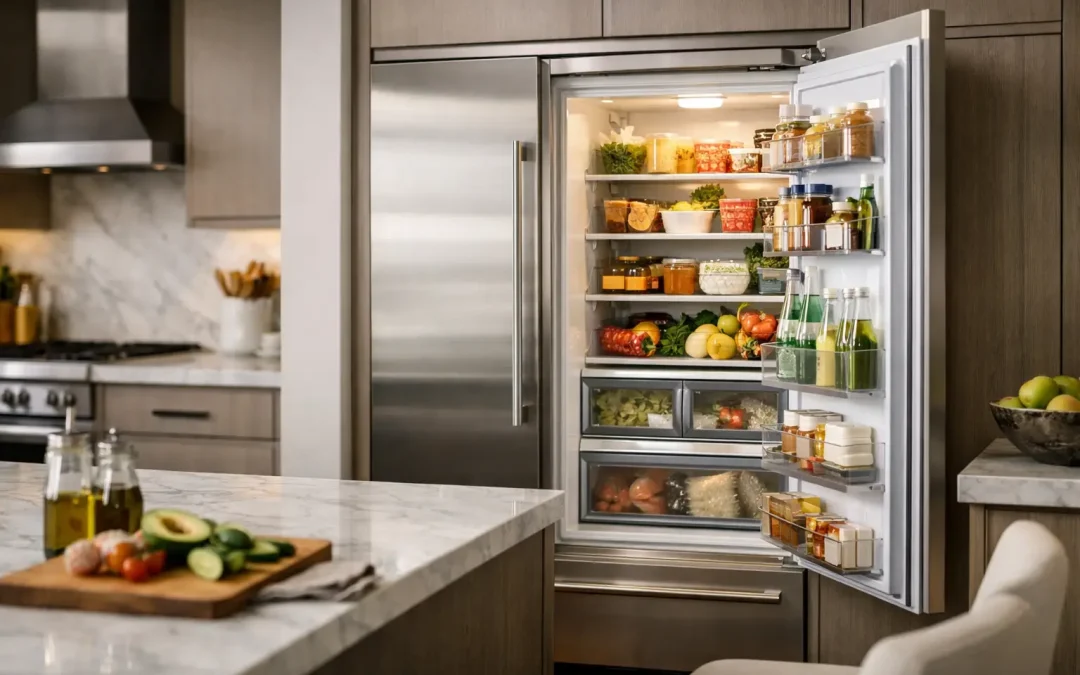
A built-in refrigerator that no longer holds temperature, runs constantly, or shows worn panels can make an otherwise exceptional kitchen feel compromised. Yet replacing a premium integrated unit is not always the sensible first move. Built-in refrigerator restoration can return the appliance to dependable performance while preserving the cabinetry, design intent, and investment behind the kitchen.
For Sub-Zero and other high-end built-in systems, the right decision depends on more than the appliance’s age. The condition of the sealed system, controls, cabinet structure, door panels, availability of parts, and quality of prior service all matter. Restoration is a technical assessment and repair process, not a cosmetic shortcut.
What Built-In Refrigerator Restoration Actually Involves
Restoration begins with a thorough diagnosis of cooling performance. A qualified technician evaluates temperatures in each zone, compressor operation, condenser condition, evaporator function, fans, defrost components, door seals, controls, and water or ice systems where applicable. On dual-compressor systems, each compartment must be assessed independently.
The work may include replacing worn mechanical or electrical components, correcting airflow restrictions, repairing leaks, installing new seals or hinges, addressing ice-maker failures, and restoring proper calibration. For an integrated refrigerator, restoration can also include careful adjustment of custom panels and doors so reveals remain even and the unit closes correctly.
Appearance matters, but it should follow performance. A new grille, refreshed interior components, or corrected panel alignment adds value only after the refrigerator can safely maintain stable food-storage temperatures. Premium refrigeration is designed around precise control, not simply a cold compartment.
When Restoration Is a Strong Investment
Restoration often makes sense when the refrigerator is structurally sound and its core cooling system remains serviceable. A premium built-in unit may have years of useful life left even if it needs several components replaced at once. This is particularly true when the appliance fits custom cabinetry that would be expensive or disruptive to alter.
A restoration can be a practical choice in several situations. The refrigerator may have reliable cooling but poor door closure, worn gaskets, noisy fans, inconsistent ice production, or deferred maintenance. It may also have a failed control, sensor, compressor-related component, or defrost issue that appears serious but can be isolated and repaired by a brand-trained specialist.
For homeowners protecting a Sub-Zero installation, repair history is meaningful. A unit that has received regular condenser cleaning and timely service may be a better restoration candidate than a newer appliance that has been neglected. Age is a useful reference point, but it is not a complete diagnosis.
Restoration can also protect a renovation schedule. Replacing a built-in refrigerator may require cabinet modification, electrical or plumbing changes, panel fabrication, and careful coordination with a designer or contractor. If the existing unit can be returned to proper operation, restoration may avoid weeks of disruption in a finished kitchen.
The Value of Preserving the Original Fit
Built-in refrigeration is not interchangeable in the way a freestanding refrigerator can be. Dimensions, ventilation requirements, hinge clearances, panel weight limits, and trim details all affect whether a replacement will fit cleanly. Even a similar-looking model can require changes to surrounding cabinetry.
That is why a technically sound restoration can offer value beyond the repair invoice. It preserves the appliance’s established fit, the kitchen’s visual continuity, and the work already invested in custom millwork. For a home bar or wine-storage area, it can also prevent a mismatch between new equipment and existing finishes.
When Replacement Is the Better Decision
Restoration is not the answer for every unit. If a refrigerator has repeated sealed-system failures, extensive corrosion, significant cabinet damage, unavailable critical parts, or a history of recurring repairs with no durable resolution, replacement may be more responsible. The objective is reliable preservation of food, beverages, or wine, not keeping an appliance in service at any cost.
A specialist should be direct about this trade-off. A repair that restores dependable operation can be worthwhile. A series of temporary repairs that leaves a homeowner without confidence in the appliance is not.
Replacement may also make sense when a household’s needs have changed. A growing family may need more refrigerated storage. A remodeled kitchen may call for a different configuration, such as separate columns, additional freezer capacity, or dedicated wine preservation. In those cases, a new installation can be planned around the way the home is used now.
Why Built-In Systems Need Specialized Diagnosis
Premium built-in refrigerators are sophisticated systems with brand-specific controls, airflow paths, sensors, and service procedures. A general appliance repair approach can miss the underlying cause of an intermittent temperature issue or create new problems through improper adjustment.
For example, a refrigerator that appears to have a compressor problem may instead have a failed fan, restricted condenser, inaccurate thermistor, damaged door gasket, or defrost fault. Likewise, frost or moisture around a freezer door is not always a simple seal issue. Panel alignment, hinge tension, cabinet level, and closing action can all affect the seal.
Factory-certified expertise is especially valuable when evaluating whether parts are appropriate for the specific model and serial range. Correct parts identification, installation procedures, and calibration protect appliance performance and help avoid unnecessary repeat visits. Fridge Fix approaches restoration with this model-specific discipline, backed by decades of focused built-in refrigeration service.
A Practical Restoration Assessment
Before approving major work, ask for an assessment that explains the appliance’s condition in plain terms. You should understand what has failed, what is still functioning properly, which repairs are essential, and what future concerns may remain. A credible recommendation acknowledges uncertainty when it exists rather than promising that every older unit can perform like a new one.
It is also wise to consider the total project cost. Compare the anticipated restoration work with the cost of replacement equipment, delivery, installation, cabinetry changes, custom panel work, and the inconvenience of a longer kitchen disruption. The lowest immediate price is not always the lowest overall cost.
For wine coolers, ice machines, and integrated refrigeration columns, assess each appliance separately. A failed ice maker does not necessarily justify replacing an otherwise healthy built-in refrigerator. Conversely, a wine unit with unstable temperatures deserves timely attention because temperature swings can affect a valuable collection.
Preventive Service After Restoration
A successful restoration should lead into a maintenance plan. Condenser cleaning, inspection of door gaskets, airflow checks, drain and ice-system review, and early attention to unusual sounds can reduce the risk of an avoidable breakdown. The exact interval depends on the model, household use, location, and whether the kitchen has pets, frequent cooking, or airborne grease that can load the condenser.
Homeowners can help by keeping vents clear, closing doors gently rather than forcing loaded panels, and reporting changes early. A new fan noise, an extended run time, warmer drawer, or declining ice production is easier to diagnose before it becomes a no-cooling event.
A premium built-in refrigerator deserves a decision based on condition, performance, and the realities of the kitchen around it. With a careful technical evaluation, restoration can be a measured way to preserve a high-value appliance and the home it was designed to serve.