
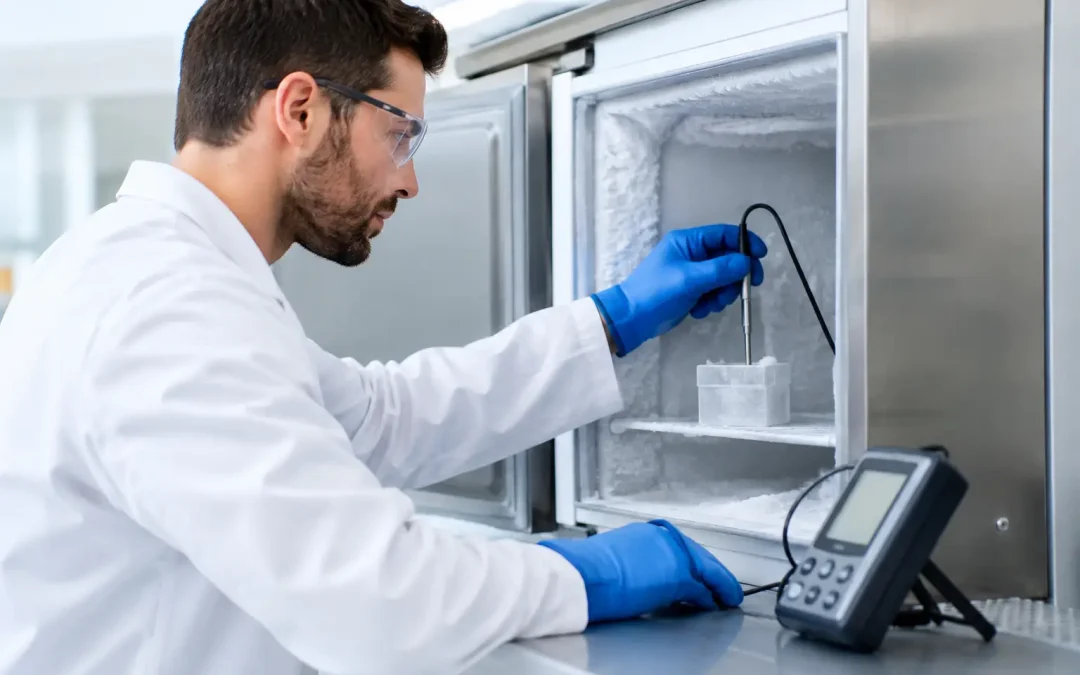
A Sub-Zero refrigerator can look perfectly normal while running a few degrees warmer or colder than its display. That difference matters when you are protecting fresh food, frozen provisions, or a carefully selected wine collection. Before attempting to calibrate Sub-Zero temperatures, first determine whether the issue is an inaccurate reading, a temporary operating condition, or a mechanical problem that needs qualified service.
Sub-Zero systems are engineered for precise food preservation, but their controls, sensors, airflow paths, and sealed refrigeration components work together. Changing a setting without confirming the actual cabinet temperature can mask the real cause and, in some cases, create a larger performance issue.
Start With the Difference Between a Setting and a Temperature
The number shown on a Sub-Zero control panel is generally a target temperature, not an instant measurement of the air in every part of the compartment. Refrigerator temperatures naturally move up and down as the door opens, a load of groceries is added, the compressor cycles, and the automatic defrost system operates.
For most Sub-Zero refrigerator compartments, a setting near 38°F is a sound starting point. Freezer compartments are commonly set at 0°F. The actual average temperature should be evaluated over time, not judged by a single reading immediately after opening the door.
A refrigerator that briefly reads 40°F after several door openings is not necessarily out of calibration. Likewise, a freezer that momentarily changes during a defrost cycle may still be operating correctly. What deserves attention is a consistent difference between the selected temperature and a carefully measured average cabinet temperature.
How to Calibrate Sub-Zero Temperatures the Right Way
For a homeowner, calibration begins with verification. Use a reliable refrigerator thermometer or a digital probe thermometer designed for cold storage. Avoid relying on an inexpensive dial thermometer placed against a wall or directly in the path of circulating air. Those locations can produce misleading readings.
Place the thermometer in a glass of water on a center shelf in the refrigerator compartment. Water changes temperature more slowly than air, so it gives a more useful picture of food-storage conditions. Leave it in place for at least 12 hours, ideally 24 hours, while using the refrigerator normally.
For the freezer, place the thermometer between frozen items near the center of the compartment. Do not place it against the rear panel, near a vent, or in a door bin. After a full day, compare the reading with the control setting.
If the reading is off by only one or two degrees, make a small adjustment to the temperature setting and allow another 24 hours for the system to stabilize. Large setting changes tend to create confusion because the cabinet, food load, and refrigeration system all need time to respond.
A practical adjustment process is simple:
- Verify the temperature with a properly placed thermometer.
- Change the setpoint by one degree at a time.
- Wait a full 24 hours before evaluating the new reading.
- Record the result before making another adjustment.
This approach is safer than repeatedly changing controls throughout the day. It also gives a service technician more useful information if the problem continues.
Do Not Use Hidden Service Functions as a First Step
Some Sub-Zero models have diagnostic or service-level functions that can display sensor information, fault history, or temperature offsets. These functions vary by model and control generation. They are not a substitute for diagnosis, and instructions intended for one unit may not apply to another.
An offset adjustment can make a display agree with a thermometer while leaving the underlying problem unresolved. For example, a failing thermistor, restricted airflow, dirty condenser, weak door gasket, defrost issue, or sealed-system concern can all affect actual temperatures. Correcting only the displayed number does not restore proper performance.
For that reason, internal calibration or sensor-offset changes are best handled by a factory-certified Sub-Zero technician who can verify sensor accuracy and evaluate the entire refrigeration system.
Conditions That Can Make Temperatures Seem Wrong
Before assuming your Sub-Zero needs calibration, check the operating conditions around it. A heavily loaded refrigerator can restrict air movement if containers are packed tightly against interior vents. An almost-empty freezer may also fluctuate more quickly because there is less frozen mass to hold a stable temperature.
Door use has an equally direct effect. Extended meal preparation, frequent entertaining, and children opening the refrigerator repeatedly can create temporary swings. Give the appliance time to recover before changing a control setting.
A recent power interruption can also affect the results. After power is restored, a built-in refrigerator may need many hours to return to its normal operating range, especially if the doors remained closed and the cabinet retained substantial cold mass. If the unit was warm for an extended period, remove perishable foods when safety is in question rather than waiting for the display to correct itself.
Condenser condition is another common factor. Premium built-in refrigeration depends on appropriate airflow through the condenser area to release heat. Dust, pet hair, and kitchen debris can reduce efficiency, lengthen run times, and make temperature recovery slower. Condenser cleaning should follow the instructions for your specific model and should be part of regular preventive maintenance.
When a Temperature Difference Requires Service
Schedule professional diagnosis when the refrigerator or freezer remains several degrees away from the selected temperature after proper testing and adequate recovery time. Consistent warm temperatures, frozen food in the refrigerator section, excessive frost, unusual noise, repeated alarms, water accumulation, or long continuous run times all merit attention.
A temperature issue can also be localized. If the center of the refrigerator is near the correct temperature but items on one shelf freeze, the cause may involve airflow, a damper, product placement, or sensor control rather than overall cooling capacity. A technician should evaluate that distinction before any component is replaced.
Built-in Sub-Zero equipment is not serviced like a standard freestanding refrigerator. Its installation, ventilation, electronic controls, and refrigeration design require brand-specific knowledge. Factory-certified service helps protect a significant kitchen investment by identifying the cause instead of treating the symptom.
For homeowners in New Jersey, Fridge Fix provides qualified service for Sub-Zero refrigeration systems, including diagnostics, maintenance, repair, installation, and technical guidance. A documented temperature test, along with the model number and any control-panel messages, helps make a service visit more efficient.
Protecting Stable Temperatures Between Service Visits
Keep refrigerator shelves organized enough for air to circulate, and avoid blocking vents with tall platters or tightly packed containers. Confirm that doors close fully and that gaskets are clean and free of tears. A small obstruction can allow warm, humid kitchen air into the cabinet and lead to frost, temperature changes, and unnecessary compressor run time.
It is also wise to use a refrigerator thermometer after a large grocery delivery, a power outage, or an extended vacation. That simple check is more meaningful than watching the display after every door opening. For wine storage, use the temperature range recommended for the collection and remember that stability is often as valuable as hitting one exact number.
A Sub-Zero should deliver controlled, dependable preservation, not a guessing game. Verify temperatures patiently, adjust settings in small increments, and bring in qualified help when measured results point to something more than a normal operating variation.